24/7 NJ Child Abuse Reporting Hotline:1-877-NJ-ABUSE
24/7 NJ Child Abuse Reporting Hotline:1-877-NJ-ABUSE
Child Abuse Prevention Resources
Prevention begins when adults create open communication, respect children’s boundaries, pay attention to changes, and know how to respond when something feels wrong.
Children are never responsible for preventing abuse. Creating safety is an adult and community responsibility.



Where to begin
Use these resources to support ongoing, age-appropriate conversations and create environments where children feel respected, heard, and able to ask for help.
Body Safety & Boundaries
Resources for age-appropriate conversations about boundaries, body safety, personal autonomy, and asking trusted adults for help.
Online Safety
Practical information about parental controls, privacy, screen time, social platforms, and safer use of connected devices.
Recognizing Possible Signs
Learn about physical, behavioral, emotional, and developmental changes that may indicate a child needs attention or support.
Safer Organizations & Communities
Questions caregivers and community leaders can consider when evaluating policies, supervision, communication, and reporting procedures.



Body safety & boundaries
Age-appropriate body safety education can help children understand personal boundaries, recognize uncomfortable situations, and identify trusted adults they can approach for help.
These conversations should be calm, ongoing, and appropriate for the child’s age and development. They should never imply that preventing abuse is the child’s responsibility.
Parent Guide: Start the Conversation About Body Safety
A practical guide from Deirdre’s House to help caregivers begin calm, age-appropriate conversations about body safety, personal boundaries, consent, trusted adults, and speaking up.
Officer Judy Hopps Body Safety Briefing
An age-appropriate activity from Deirdre’s House that helps children understand personal boundaries, private parts, safe and unsafe situations, trusted adults, and the importance of saying no, getting away, and telling someone.
Online safety
Online safety changes as platforms, devices, and children’s needs evolve. Regular conversations and age-appropriate supervision can help families respond to new situations.
Social Media Parental Controls
Explore the family supervision and parental-control tools available through the social platforms your child uses.
Internet Access Controls
Review parental-control options available through your home router, internet provider, device, or family account.
Streaming and Video Controls
Use age-appropriate profiles, content restrictions, supervised accounts, and family settings where available.
Healthy Screen-Time Habits
Set expectations that fit your child’s age and needs, and encourage time for sleep, learning, creativity, movement, relationships, and offline activities.
Internet Safety Tips
A practical resource from Deirdre’s House that helps teens and caregivers understand online risks, protect personal information, use privacy and location settings, respond to uncomfortable interactions, and build safer digital habits.
Schools, programs & community spaces
Questions adults can ask about child safety
No checklist can guarantee safety, but clear policies, appropriate supervision, trained staff, and accessible reporting procedures can help organizations create safer environments.
01
How are staff members and volunteers screened and trained?
02
What are the organization’s rules for one-on-one interactions?
03
How are digital communications between adults and children managed?
04
How can a child, caregiver, employee, or volunteer report a concern?
05
What happens after a concern is reported?
Organizations should follow all applicable laws, regulations, professional requirements, and child-safety standards.
Where to begin
Use these resources to support ongoing, age-appropriate conversations and create environments where children feel respected, heard, and able to ask for help.
10 Signs of Child Abuse
Review possible physical, behavioral, emotional, and developmental signs that may indicate a child needs help.
Tips to Keep Children Safe Online
Practical information about parental controls, connected devices, streaming services, and screen-time habits.
Body Safety Toolkit
A Deirdre’s House body safety resource for caregivers and children.
Resources for Families
Find trusted local, state, and national organizations supporting children, teens, caregivers, and families.
Bring prevention education to your community
Deirdre’s House offers free in-person and virtual presentations for schools, educators, corporations, community groups, parents, students, and staff.
Available topics include Deirdre’s House services, identifying and reporting child abuse, cyberbullying and internet safety, and helping parents navigate technology safety.
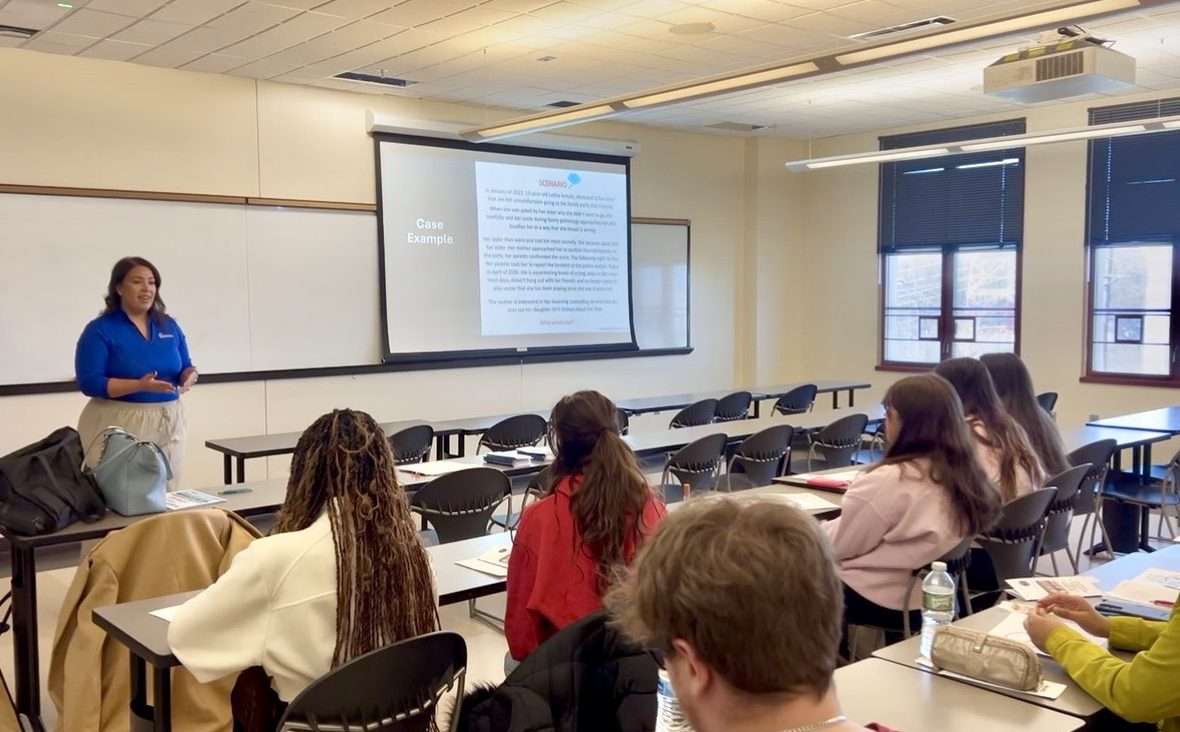
Learn the possible signs, explore practical prevention information, or bring a Deirdre’s House presentation to your organization.
Concerned about a child? Call 1-877-NJ-ABUSE (1-877-652-2873). If a child is in immediate danger, call 911.