24/7 NJ Child Abuse Reporting Hotline:1-877-NJ-ABUSE
24/7 NJ Child Abuse Reporting Hotline:1-877-NJ-ABUSE
Professional Resources
Access reporting guidance, possible signs of abuse, Child Advocacy Center information, training opportunities, and trusted resources for professionals serving children and families in Morris County.





Questions about reporting?
If you are unsure how the reporting process works or encounter a problem while making a report, Deirdre’s House can help explain the process and connect you with the appropriate resource. Deirdre’s House does not receive abuse reports or conduct investigations.
Important reporting message
If you have reasonable cause to believe that a child may be abused or neglected, call the NJ Child Abuse Hotline at 1-877-NJ-ABUSE (1-877-652-2873). You do not need proof to make a report. If a child is in immediate danger, call 911.
For Morris County professionals

Different professions have different roles, but everyone benefits from clear reporting information, trauma-informed communication, and an understanding of the coordinated Child Advocacy Center response.
Educators and school staff are often among the first adults to notice changes in a child’s appearance, behavior, attendance, or academic performance. These resources can help school professionals recognize possible abuse or neglect, respond appropriately to a disclosure or concern, meet New Jersey reporting requirements, and provide effective prevention education.
Community Education and Customized Training
Deirdre’s House provides free-of-charge presentations for schools and community groups on identifying, preventing, and reporting child abuse and neglect. Training can be tailored to the needs of teachers, school staff, administrators, and families.
Reporting Child Abuse and Neglect: Training for New Jersey School Educators and Staff
This updated NJDOE training helps K–12 educators, staff, volunteers, and interns recognize possible abuse or neglect and respond appropriately. It includes realistic scenarios, knowledge checks, guidance on distinguishing poverty from neglect, and information about bias in reporting decisions.
Child-Abuse Reporting and Indicators
New Jersey DCF explains when and how to report suspected abuse or neglect and lists physical and behavioral indicators associated with physical abuse, neglect, sexual abuse, and emotional maltreatment. The page also identifies information a hotline screener may request.
Erin’s Law Resource Guide for Schools
This NJDOE guide brings together recommended practices, curricula, sample learning activities, professional-development opportunities, and trauma-informed resources for child-abuse prevention education. It addresses body safety, healthy relationships and consent, online safety, trafficking, and support across school roles.
Reporting Child Abuse in New Jersey
This concise DCF handout explains who should report, when to call, what information to provide, confidentiality, and what happens after a report. It can serve as a practical reference for staff rooms, safeguarding teams, and new-employee orientation.
Healthcare professionals play an essential role in recognizing possible maltreatment, protecting children, documenting concerns, and connecting families with specialized care. In Morris County, Deirdre’s House coordinates child-focused forensic, medical, advocacy, and mental health services with its multidisciplinary partners.
Deirdre’s House Services and Medical Program
Deirdre’s House brings forensic interviews, specialized medical care, court preparation, advocacy, and counseling together in one child-focused location. Its coordinated approach helps reduce additional trauma for children and families.
Find a New Jersey Children’s Advocacy Center
The New Jersey Children’s Alliance directory helps professionals and families identify the nearest Children’s Advocacy Center. Healthcare providers outside Morris County can use it to locate the appropriate regional CAC and coordinated child-abuse services.
How the Children’s Advocacy Center Model Works
National Children’s Alliance explains how CACs bring medical providers, child protection, law enforcement, prosecutors, mental health professionals, victim advocates, and other partners together around the needs of the child. The page includes a short visual explanation of the coordinated response.
Evaluation of Suspected Child Physical Abuse
This American Academy of Pediatrics clinical report addresses recognition, documentation, reporting, diagnostic evaluation, consultation, treatment, and follow-up. It also emphasizes that transferring a child for specialized care does not remove the original provider’s reporting responsibility.
Medical Exams at a Children’s Advocacy Center
This family-facing NJCA resource explains how children are referred to a CAC and what families can expect from a specialized medical examination. English- and Spanish-language explainer videos are included and may help providers prepare caregivers for the referral.
Youth programs, childcare providers, camps, faith communities, sports organizations, and other child-serving agencies can reduce risk through strong safeguarding policies, informed staff and volunteers, appropriate reporting practices, and environments that strengthen children and families.
Deirdre’s House Prevention and Reporting Training
Deirdre’s House offers tailored education for daycare centers, community organizations, corporations, parents, and other groups. Topics include recognizing, preventing, and reporting child abuse and neglect, as well as cyberbullying.
Preventing Child Sexual Abuse in Youth-Serving Organizations
CDC provides evidence-informed guidance for organizations developing or strengthening child-safety policies and procedures. The resource focuses on creating safe, stable, nurturing environments in programs where children interact with staff, volunteers, and peers.
Strengthening Families and the Protective Factors Framework
New Jersey DCF describes an evidence-based approach for reducing abuse and neglect by helping childcare providers strengthen parental resilience, social connections, parenting knowledge, concrete support, and children’s social-emotional competence.
New Jersey Children’s Alliance Training Programs
NJCA offers learning opportunities on identifying, preventing, and responding to child abuse, along with programs for child-welfare professionals and multidisciplinary teams. Organizations can use the training page to identify current and on-demand learning opportunities.
Start here
Report a concern
Find the New Jersey hotline, understand what information may be requested, and learn what generally happens after a report.
Review possible signs
Learn about physical, behavioral, emotional, and developmental changes that may warrant attention.
Explore training opportunities
Review presentations available for professional, school, organizational, and community audiences.
Request a presentation
Tell Deirdre’s House about your audience, preferred format, topic, and scheduling needs.
COORDINATED CHILD ADVOCACY
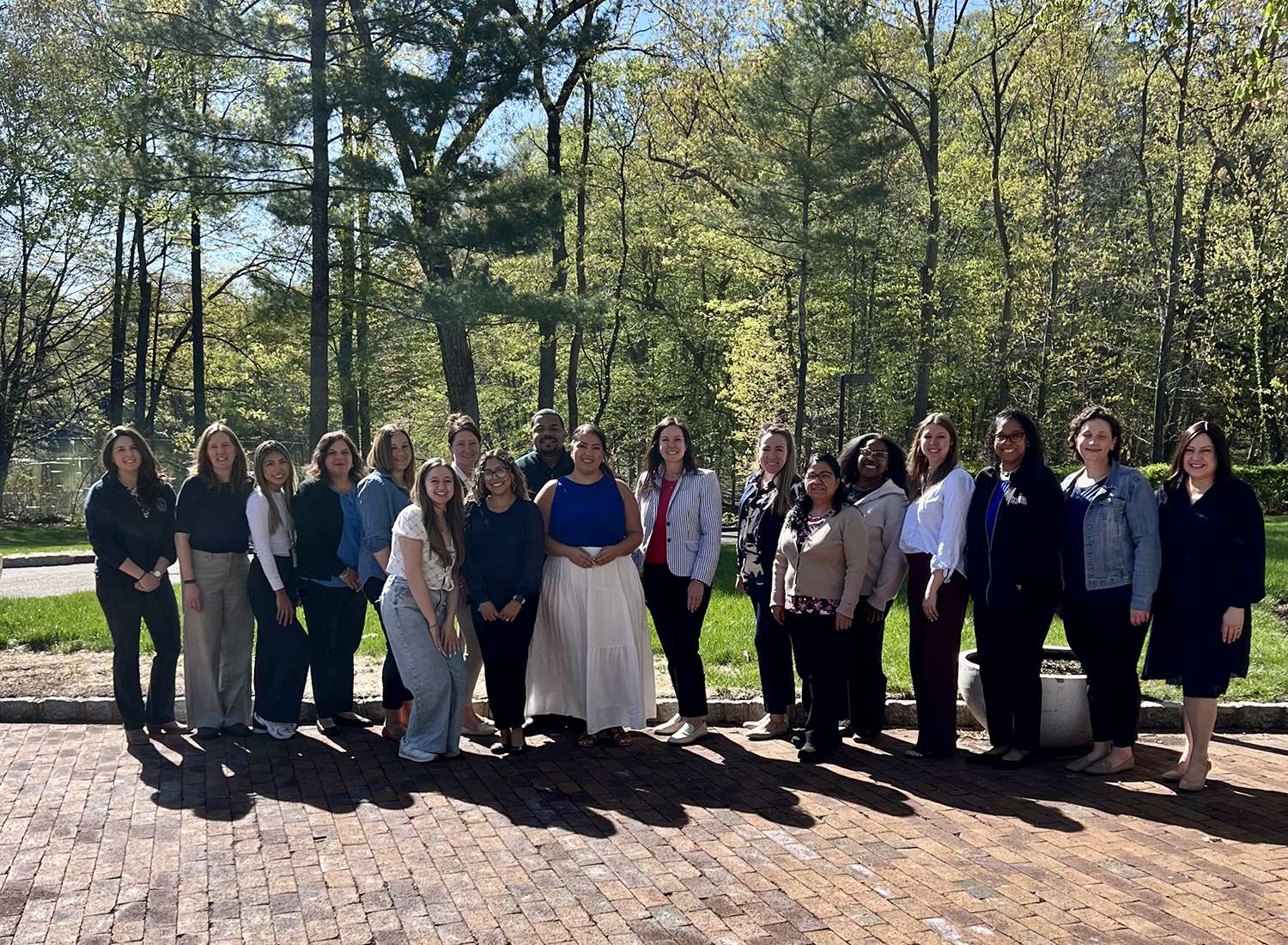
Effective multidisciplinary work depends on more than bringing the right professionals to the table. It requires clear communication, coordinated decisions, and a shared focus on what is best for the child.
Deirdre’s House provides the child-friendly setting and services that help bring that response together. By coordinating forensic interviews, advocacy, medical and mental health services, and connections to partner agencies, we help reduce duplication, support informed decision-making, and make the process easier for children and families to navigate.

Resource library
Use the resources below to learn about reporting, the Child Advocacy Center model, multidisciplinary coordination, and prevention education.
How and When to Report Child Abuse or Neglect
Official reporting information from the New Jersey Department of Children and Families.
Reporting Guidance for New Jersey Schools
Official child abuse reporting information for New Jersey school professionals.
Signs of Child Abuse
Possible signs and general guidance for responding when a child shares a concern.
National Children’s Alliance
National information and resources related to Children’s Advocacy Centers.
Child Abuse Prevention Resources
Practical prevention information for families, professionals, and child-serving organizations.
The Child Advocacy Center Model
An introduction to how Child Advocacy Centers coordinate professionals around children and families.
Training & presentations
Deirdre’s House offers free in-person and virtual presentations for schools, educators, corporations, community groups, parents, students, and staff.
Presentations are available in English and Spanish, with sessions adapted for different audiences.

A local professional resource
Ask about prevention and reporting presentations for schools, organizations, community groups, and professionals serving children in Morris County.
To report suspected child abuse or neglect, call: 1-877-NJ-ABUSE (1-877-652-2873)
If a child is in immediate danger, call 911.